
Podiatry General
Home - Podiatry General
Fungal Nail Treatment | Pain-Free Laser & Care | One Podiatry
Effective fungal nail treatment in Bedford. Our podiatrists use painless laser & topical solutions for clear, healthy nails.
Struggling with discoloured, thickened, or brittle nails? You are not alone. Fungal nail infections (Onychomycosis) are a common and often frustrating condition that can cause embarrassment and discomfort. At One Podiatry, we provide expert, effective fungal nail treatment to help you regain your confidence and foot health.
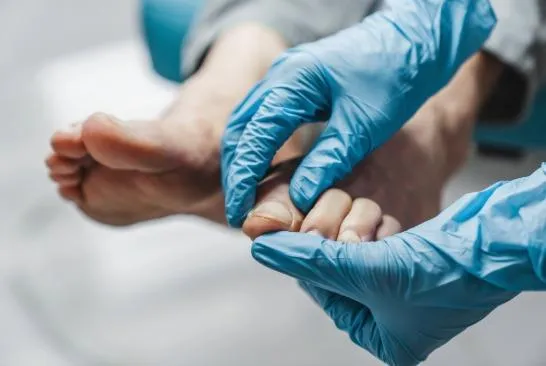
Fungal Nail Treatment: Regain Clear, Healthy Nails
Are You a Candidate? Recognise the Signs:
Nails turning yellow, brown, or white
Thickening or distortion of the nail shape
Brittle, crumbly, or ragged nail edges
A slight foul odour
Separation of the nail from the nail bed
If this sounds familiar, our specialist podiatrists are here to help.
Our Effective Fungal Nail Treatments
We believe in a personalised approach. After a thorough assessment, we will recommend the most effective treatment plan for you.
1. Professional Debridement & Thinning
Our podiatrists carefully file and reduce the thickness of the infected nail. This is a painless procedure that immediately relieves discomfort and, crucially, allows topical antifungal treatments to penetrate deeply and work more effectively.
2. Advanced Topical Antifungal Solutions
We use and prescribe potent, medical-grade antifungal lacquers and solutions. These are far more effective than over-the-counter products and are applied directly to the nail to target the fungus at its source.
3. Pain-Free-Laser Treatment
Our most advanced solution for fungal nails. Laser therapy eradicates the fungus using a specific wavelength of light, with no discomfort, no downtime, and no side effects.
Non-invasive and drug-free
Typically requires only a few short sessions
Highly effective with proven results
One Podiatry Service
Callus and Corn Removal
Calluses and corns are areas of thick, hardened skin that form on the feet as a result of pressure or friction. They can be painful and unsightly, and can make it difficult to walk or wear shoes.
Calluses are generally larger and more diffuse than corns, and tend to form on the soles of the feet or the palms of the hands. They are the body’s natural response to protect the skin from excessive pressure or friction.
Corns, on the other hand, are smaller and more concentrated than calluses, and tend to form on the toes or the sides of the feet. They are caused by pressure on the skin, often from ill-fitting shoes.
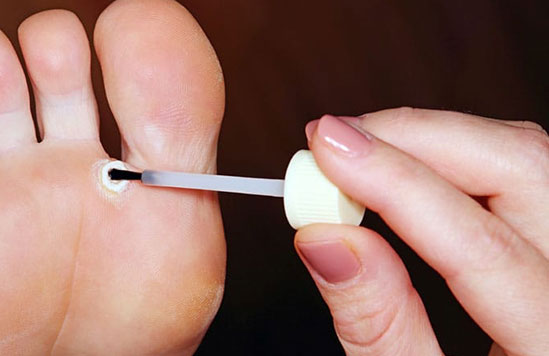
Calluses and corns can be removed by a podiatrist or other foot care specialist using a variety of techniques, such as:
Trimming: The thickened skin can be trimmed using a scalpel or other sharp instrument.
Filing: The thickened skin can be filed down using a pumice stone or other abrasive tool.
Using medicated pads: Medicated pads containing salicylic acid can be applied to the callus or corn to soften the skin and help it shed.
It is important to be cautious when removing calluses and corns, as improper removal can lead to injury or infection. A foot care specialist will be able to remove calluses and corns safely and effectively. After removal, it is important to take steps to prevent calluses and corns from returning, such as wearing properly fitting shoes and using padding or other protective measures to reduce pressure on the skin.
Ready to Start Your Journey to Healthy Nails?
Don’t let a fungal nail infection affect your life any longer. Our friendly and expert team at One Podiatry is ready to provide you with a clear path to recovery.
📍 Visit us at:
One Podiatry, 100A Queens Drive, Bedford, MK41 9BS
📞 Call: 01234 930940
📧 Email: [email protected]
Frequently Asked Questions
Got questions about fungal nail laser treatment? We’ve answered some of the most common queries to help you understand the process and what to expect.
What conditions do podiatrists typically treat?
Podiatrists assess and manage a wide range of foot and ankle problems. These include skin issues such as corns, callus and cracked heels, nail concerns like ingrown or fungal nails, musculoskeletal pain, gait issues and general foot care needs. We help patients of all ages, from children through to older adults.
How often should I have a routine podiatry appointment?
Most people benefit from routine care every six to eight weeks, although this varies depending on your foot health needs. Your podiatrist can advise a schedule that suits your condition, lifestyle and comfort.
What is the best treatment for fungal nails?
Treatment depends on the severity of the infection. Options usually include professional debridement to reduce the thickness of the nail, topical anti-fungal applications, advice on preventing reinfection and in some cases oral medication prescribed by your GP. Consistency is important, as fungal nails take time to clear due to slow nail growth.
How are corns and callus removed?
Corns and callus are safely reduced by a podiatrist using sterile instruments to gently remove the hard skin. This is painless and provides instant relief. Your podiatrist will also assess the cause, such as pressure or footwear, and offer advice to help prevent the problem returning.
Do I need a referral to see a podiatrist?
No referral is needed. You can book directly with One Podiatry for any foot or ankle concerns. If we feel you may need additional medical assessment we can advise you and share information with your GP if required.
What should I expect at my first appointment?
Your initial visit includes a full assessment of your feet, nails, skin and, if relevant, your gait or footwear. We will discuss your symptoms, provide a diagnosis and deliver treatment on the same day where appropriate. You will also receive tailored advice to support long term foot health.
Book Your General Podiatry Appointment
If you are experiencing foot discomfort or simply want to stay on top of your foot health, professional podiatry care can make a real difference.
Contact One Podiatry today to book your appointment and discover how our comprehensive foot care services can help keep your feet comfortable, healthy and supported.



Quicklinks
Conditions We Treat
Contact Info
100A QUEENS DRIVE MK419BS BEDFORD
Connect With Us
© 2024 All Rights Reserved. One Podiatry
We run on