
Shockwave Therapy in Bedford
One Podiatry/Fast Relief for Heel &Achilles Pain
What Is Shockwave Therapy?
Shockwave Therapy in Bedford is an advanced, non-invasive therapy used to treat persistent foot and ankle pain.
It uses targeted acoustic energy waves to stimulate healing in damaged tendons, ligaments, and soft tissues.
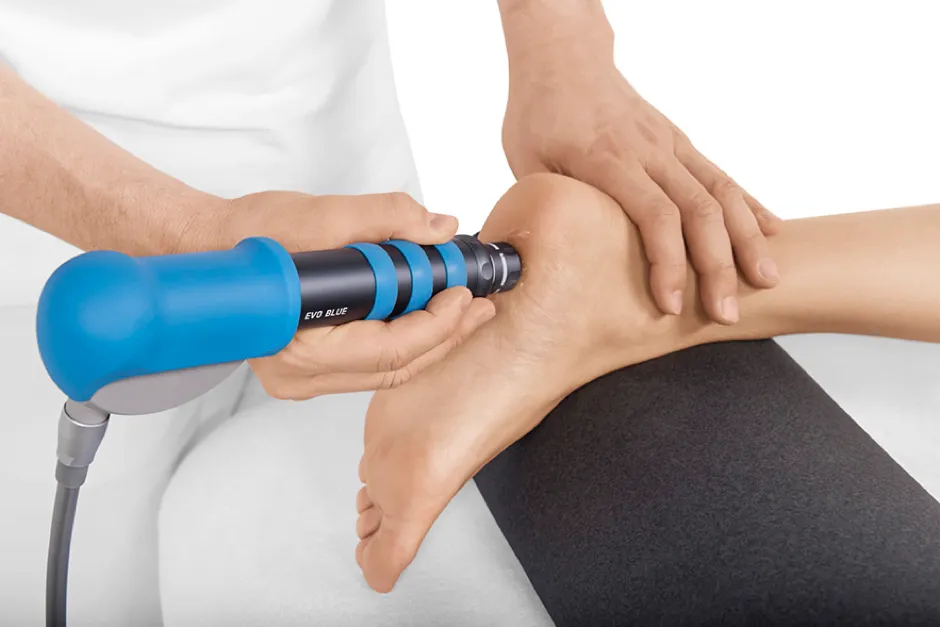
During your appointment, a handheld device is applied directly to the painful area. Pulses are delivered through the skin to stimulate blood flow, trigger tissue repair, and reduce chronic inflammation.
Shockwave is clinically used to address longstanding (chronic) conditions. It is often recommended when rest, stretching, orthotics, and anti-inflammatories have failed.
Watch what happens at a Shockwave appointment
WHY CHOOSE US?

HCPC REGISTERED PODIATRISTS

PRIVATE CONSULTATION

PROFESSIONAL SERVICE

COMPREHENSIVE ASSESSMENT

EVIDENCE BASED TREATMENT
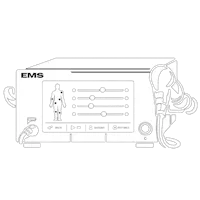
ADVANCED THERAPY

FULLY INSURED
Why choose Shockwave Therapy?
Practitioner's recommend Shockwave as:
It stimulates natural tissue healing.
It is highly effective for chronic, long standing pain.
There is minimal disruption to daily life.
It is non-invasive with no injections or surgery.
It reduces the need for more invasive interventions.
It is an evidence based and quantifiable treatment.
What To Expect At Your Shockwave Therapy Appontment
STEP ONE - History
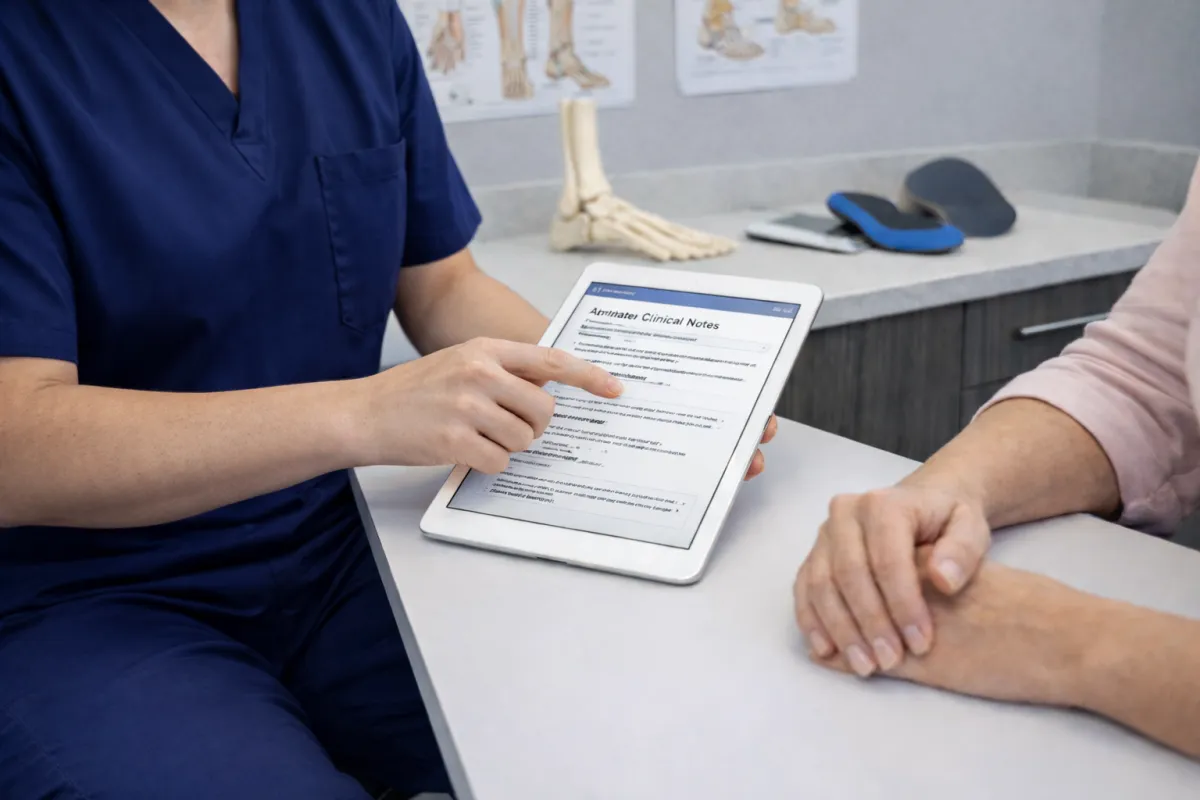
Our practitioner will take a full medical, activity and symptom history to understand why your pain has developed and why it has persisted.
We discuss when your symptoms started, what makes them worse, previous treatments you have tried, your footwear, work demands and exercise habits.
All information is discussed privately and forms the foundation of a precise treatment plan.
STEP TWO - Assessment
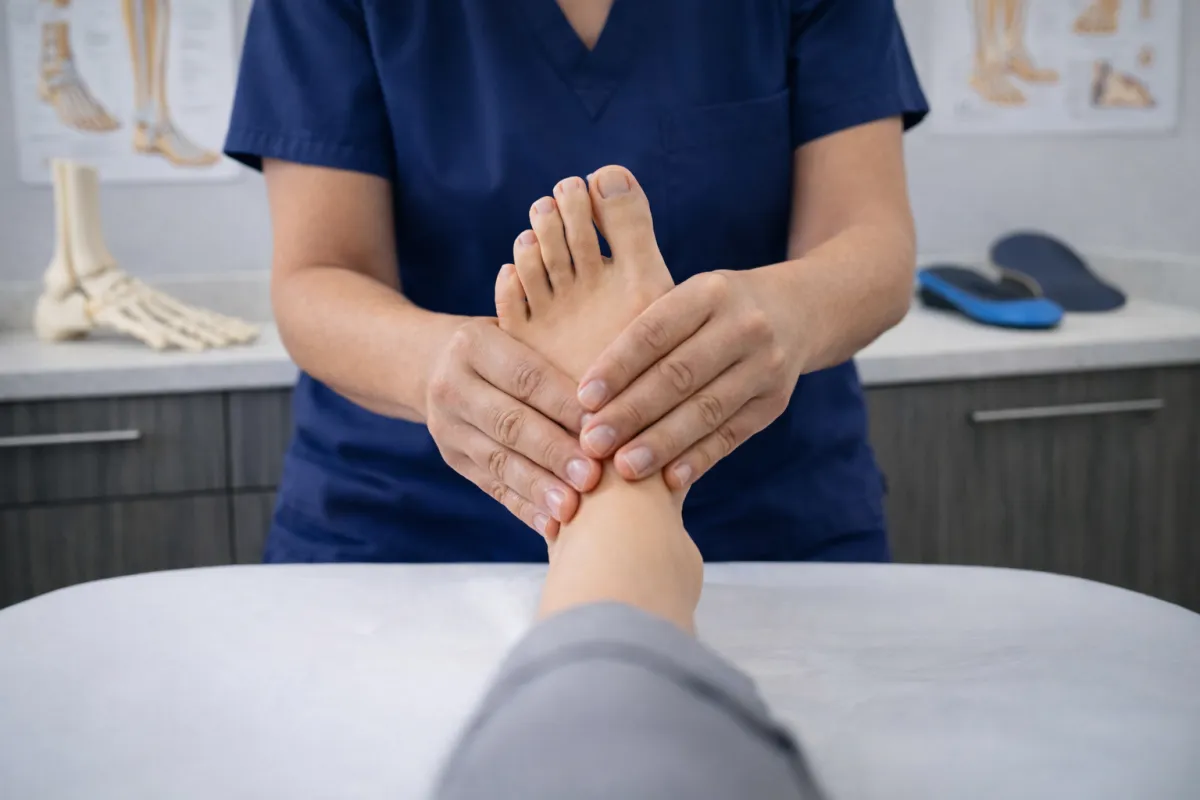
Before treatment begins, a thorough clinical assessment will have been carried out.
We examine the painful area, assess tendon integrity, joint mobility, muscle tightness and foot posture. Your gait and loading pattern may also be reviewed to understand how stress is passing through your foot and ankle.
This stage ensures Shockwave is appropriate and allows us to target the exact tissue responsible for your symptoms.
STEP THREE - Treatment
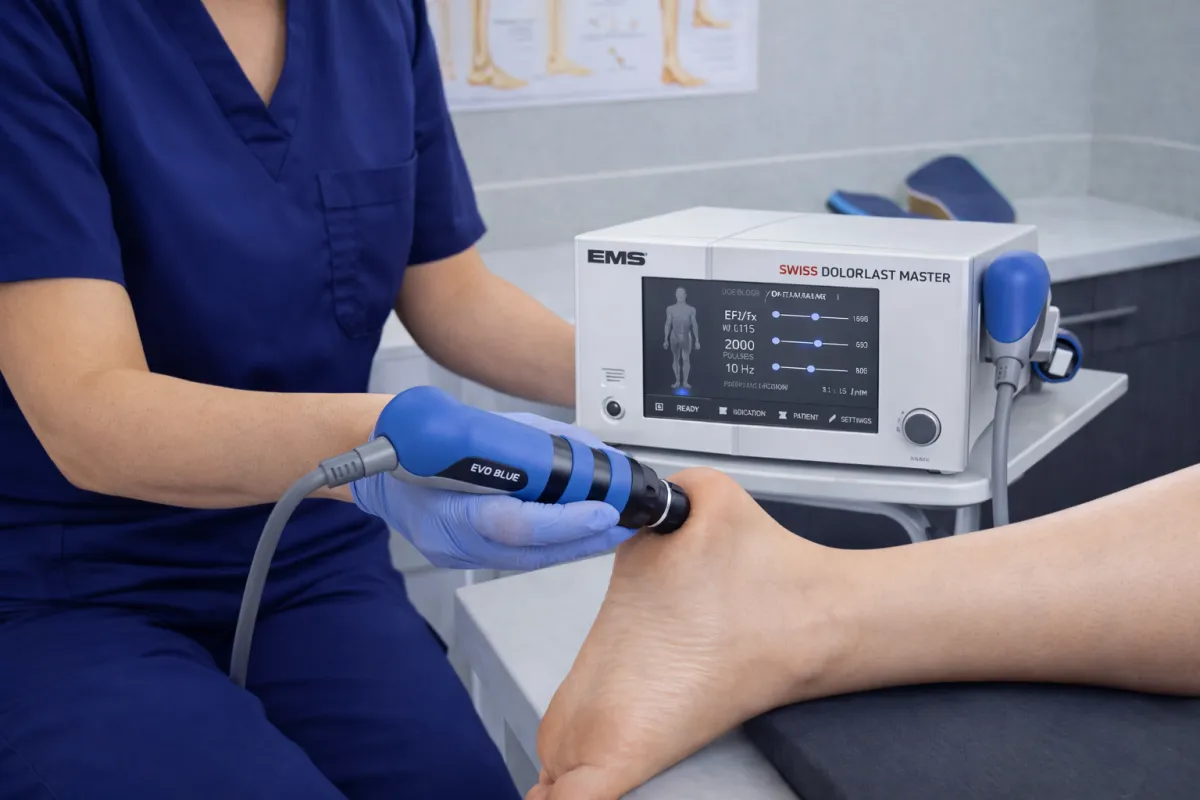
Shockwave energy is delivered directly to the injured tissue using a handheld applicator.
Treatment is applied in controlled pulses to stimulate circulation and tissue repair. You may feel a brief, intense tapping sensation, but this is carefully adjusted to your tolerance and remains manageable.
Each session typically lasts 3 to 5 minutes.
There is no injection, no anaesthetic and no downtime. You can walk out of the clinic immediately, with clear guidance on activity between sessions.
How Shockwave Treatment Helps Foot and Ankle Problems
Shockwave stimulates natural biological repair within injured tissue. Chronic heel pain, Achilles problems and tendon injuries often persist because healing has stalled. Blood supply can reduce, mechanical load continues, and micro-tears accumulate, leading to ongoing pain and degeneration.
By increasing local circulation and stimulating collagen production, Shockwave helps restart this healing process while also reducing pain by influencing nerve sensitivity.
Accurate diagnosis remains essential. We identify why the tissue has failed, correct the underlying mechanical stress, and use Shockwave as part of a structured podiatry treatment plan for chronic heel and tendon conditions.
Shockwave therapy for Neuropathy stimulate nerve regeneration improve conduction and calm the inflammation behind the chronic nerve pain-no surgery no medication
Shockwave is commonly used to treat:
Plantar fasciitis and chronic heel pain
Achilles tendinopathy
Insertional Achilles pain
Peroneal tendonitis
Tibialis posterior tendon dysfunction
Chronic ankle ligament pain
Metatarsalgia
Morton’s neuroma
Persistent calf tightness related to tendon overload
Recurrent sports-related tendon injuries
Neuropathy -drug free relief that helps nerves heal
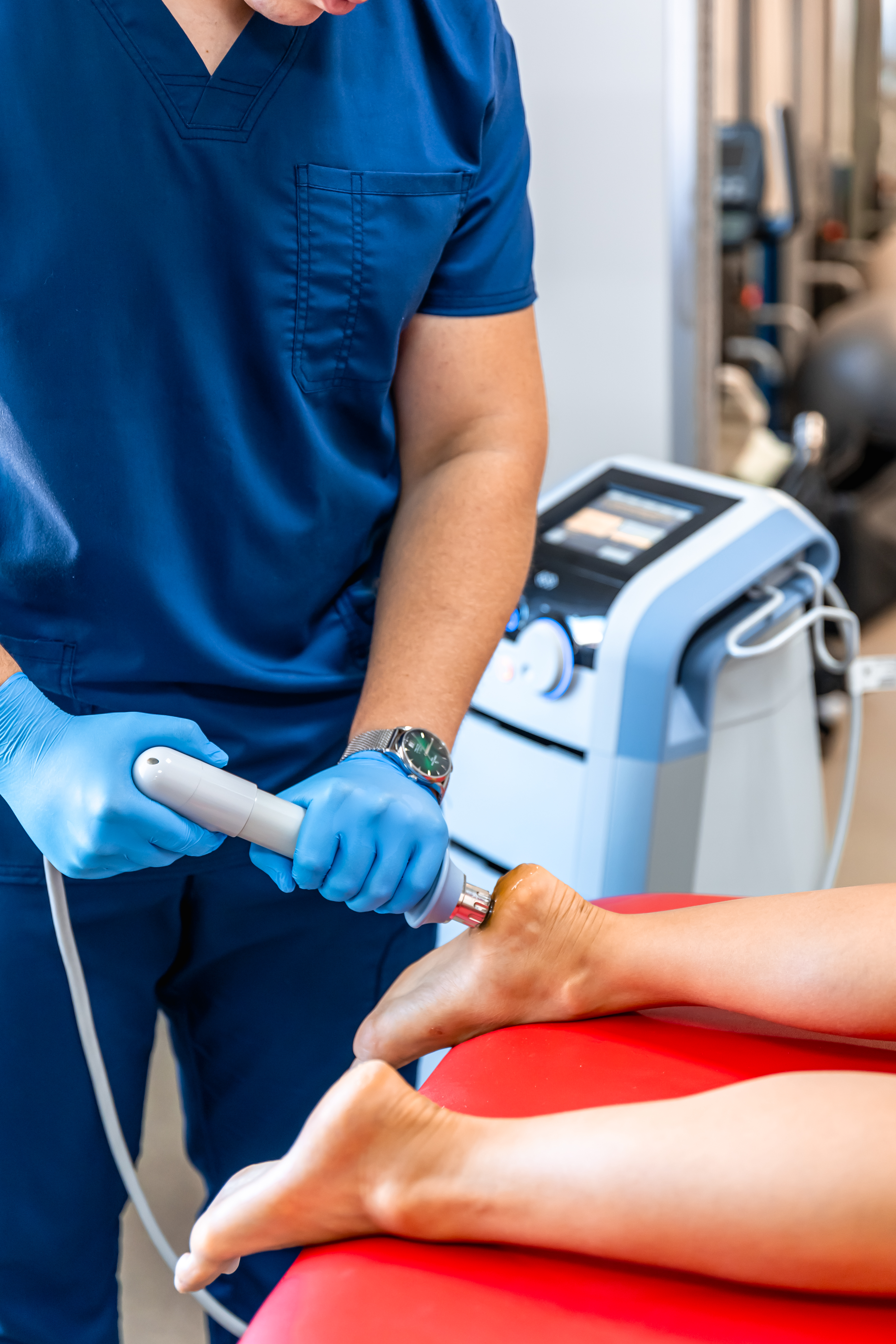
Download our free Guide to
Shockwave Therapy
We have created a clear and practical guide to Shockwave Therapy. Developed by experienced podiatrists who treat chronic heel and tendon pain every day, it explains how Shockwave works, who it is suitable for, what treatment feels like, expected recovery timelines, and how it compares to other options such as injections or surgery.
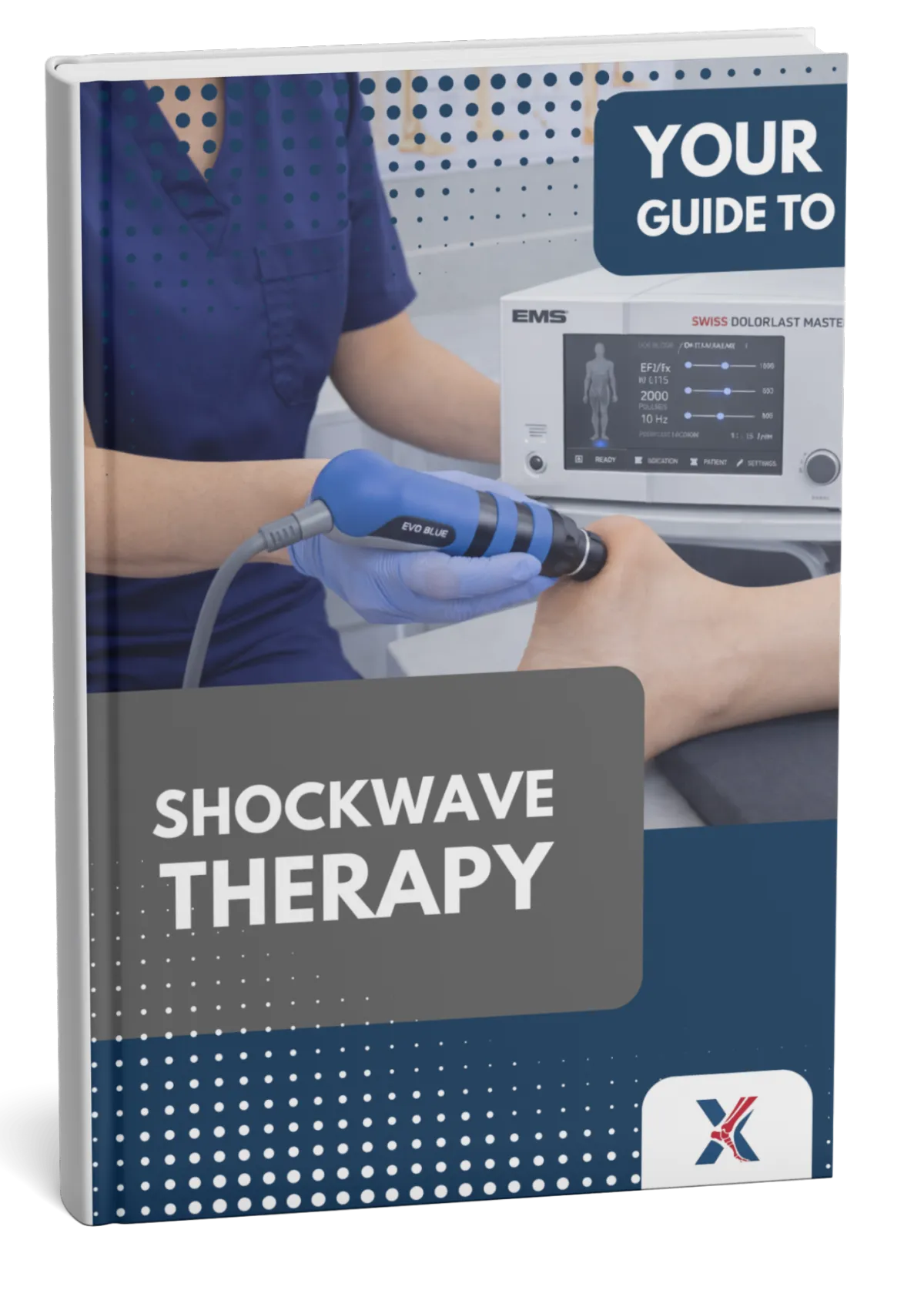
What Patients Are Not Suitable For Shockwave Therapy?
Shockwave Therapy is safe and effective for many foot and ankle conditions. However, you may not be suitable for Shockwave Treatment if you:
⚠️ Are pregnant
⚠️ Have a blood clotting disorder taking certain anticoagulant medications
⚠️ Have a known tumour or active cancer in the treatment area
⚠️ Have a local infection or open wound at the treatment site
⚠️ Have recently received a steroid injection in the same area
⚠️ Have severe peripheral neuropathy with reduced protective sensation
⚠️ Have certain circulatory disorders affecting tissue healing
⚠️ Shockwave is also not typically used in children whose bones are still developing.
If you are unsure about your suitability for Shockwave, contact us on 01234 930940
FOR APPOINTMENTS
Call 01234 930940
Or Book Online At Anytime ⤦
Frequently Asked Questions
How much does treatment cost?
Treatment fees vary depending on lesion number and follow-up needs. For up-to-date fees, please view our fees page or contact the clinic.
How many shockwave sessions do I need?
Most treatment plans involve 3 to 6 sessions, typically spaced one week apart.
The exact number depends on how long your symptoms have been present, the severity of tissue degeneration, and how your body responds to treatment. Chronic conditions may require the full course to achieve optimal results.
How long does it take for shockwave to work?
Some patients notice improvement within the first two to three sessions.
However, Shockwave stimulates a biological healing response, so full improvement often develops gradually over 6 to 12 weeks as the tissue repairs and strengthens.
Is shockwave treatment painful?
You may feel a strong tapping or pulsing sensation during treatment.
This can feel intense over very tender areas, but it is brief and controlled. The intensity is adjusted to your comfort level, and most patients tolerate it well.
Is shockwave therapy safe?
Yes. Shockwave Therapy is a well-established and evidence-based treatment for chronic tendon and heel pain.
It is non-invasive, does not require injections or anaesthetic, and has a strong safety profile when delivered by a qualified podiatrist following proper assessment.
Can I exercise after shockwave treatment?
You can usually continue walking and light daily activity immediately after treatment.
High-impact or heavy loading activities may need to be temporarily adjusted depending on your condition. We will provide clear guidance tailored to you.
Will I need orthotics as well?
Some patients benefit from biomechanical support alongside Shockwave to reduce ongoing tissue stress.Does Shockwave prevent future problems?
By improving tissue quality and correcting load patterns, it reduces recurrence risk when combined with proper management.
testimonials

What patients say about us...




Quicklinks
Conditions We Treat
Contact Info
100A QUEENS DRIVE MK419BS BEDFORD
Connect With Us
© 2024 All Rights Reserved. One Podiatry
We run on