Nail Surgery

Home - Nail Surgery

Bedford Podiatry Nail Service

Bedford Podiatry Nail Service

Nail Surgery

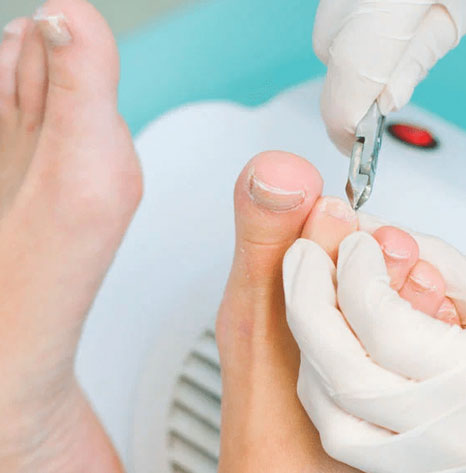
Nail surgery is a type of procedure that is often performed in a foot clinic to treat a variety of conditions that affect the nails on the feet. There are several different types of nail surgery that can be performed, and the specific technique used will depend on the specific condition being treated.

One common type of nail surgery is a partial nail avulsion. This procedure is used to treat ingrown toenails, which occur when the edges of the nail grow into the surrounding skin. The procedure involves numbing the area around the affected nail and then carefully removing a portion of the nail to relieve the pressure and prevent further growth into the skin.

Another type of nail surgery is a total nail avulsion. This procedure is used to treat severely ingrown nails or other conditions that affect the entire nail. The procedure involves removing the entire affected nail, as well as a small portion of the underlying nail bed.

What to Expect From Nail Surgery

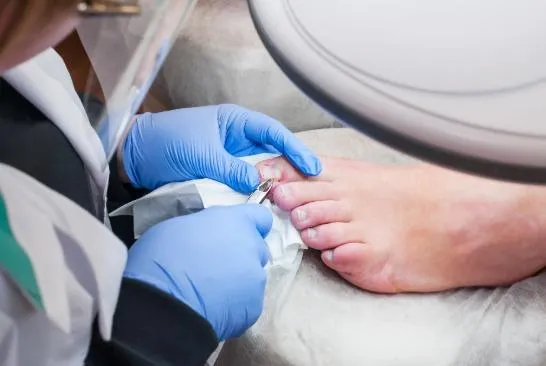
Before any surgical procedures, the practitioner performs a thorough examination of the affected foot and takes note of any underlying conditions that may need to be addressed during the surgery. They will also explain the procedure, the risks and benefits, and the postoperative care to the patient. It’s important that the patient is compliant with the postoperative instructions to prevent any complications.

It’s important to note that nail surgery is usually a minor procedure that can be performed in a clinic setting, but the recovery time and postoperative care may vary depending on the specific procedure and the patient’s overall health condition.
What to Expect From Nail Surgery

Is Nail Surgery Right for You?

Nail surgery can be an excellent option for many people dealing with persistent or recurring nail problems. We often recommend it for patients who haven’t responded to conservative treatments such as creams, trimming, or medication. It’s also ideal for those who want a more definitive, long-lasting solution to resolve the issue at its source.

To ensure it’s the right approach for you, your podiatrist will begin with a thorough consultation. During this assessment, they’ll determine your suitability for the procedure and discuss what the treatment will involve, including expected recovery and aftercare.

Why Choose One Podiatry?

At One Podiatry, we combine professional expertise with advanced clinical techniques to provide the best possible outcomes for our patients. Our friendly Bedford team is highly experienced in performing nail surgery to treat painful or persistent nail conditions safely and effectively.

We take the time to understand your needs, explain every step of the procedure, and guide you through your healing process so you can get back to healthy, confident feet.

📍 Visit us at:

One Podiatry, 100A Queens Drive, Bedford, MK41 9BS

📞 Call: 01234 930940

📧 Email: onepodiatryclinic@gmail.com

Frequently Asked Questions

Below we’ve answered some of the most common questions we get asked about nail surgery process, to help you understand what to expect.

Nail surgery is typically recommended for persistent or severe nail problems that don’t respond to conservative treatments. Common conditions include:

  • Ingrown toenails that cause pain, infection, or recurrent episodes.
  • Nail infections that are resistant to topical or oral treatments.
  • Nail deformities due to trauma or chronic pressure.
  • Thickened or painful nails associated with fungal infections.
  • Tumors or abnormal growths of the nail or surrounding tissue.

Nail surgery is performed under local anesthesia, so the procedure itself is generally pain-free. You may feel pressure or mild discomfort during the procedure. After surgery, some soreness or throbbing is normal for a few days, which can be managed with pain relief medications and proper aftercare.

Recovery time usually ranges from 1 to 4 weeks, depending on the procedure and individual healing.

Aftercare typically includes:

  • Keeping the area clean and dry.
  • Changing dressings as instructed.
  • Soaking the foot in warm water if recommended.
  • Avoiding tight shoes or activities that put pressure on the toe.

Your podiatrist will schedule a follow-up to monitor healing and remove any sutures if needed.

This depends on the type of surgery.

Partial nail removal (matrixectomy): Only the affected portion of the nail is removed, and it may regrow thinner or narrower.

Total nail removal: The entire nail may regrow over several months, though sometimes the regrowth is altered in shape or thickness.

In some cases, permanent removal of a nail portion is recommended to prevent recurrent issues.

Nail surgery is generally safe, but potential risks include:

  • Infection
  • Prolonged pain or swelling
  • Bleeding
  • Nail regrowth abnormalities
  • Rarely, injury to surrounding tissue or recurrence of the problem


Most complications are minimised by proper technique, sterile conditions, and following post-operative instructions carefully.

Book Your Nail Surgery Consultation

If you are tired of dealing with persistent nail problems, nail surgery could be the effective solution you’ve been looking for.

Contact One Podiatry to book your consultation and discover how our nail surgery options can help restore healthy nails and rebuild your confidence.

© 2024 All Rights Reserved. One Podiatry